Thinking

Essays where I develop and test ideas about judgement, systems and human behaviour.

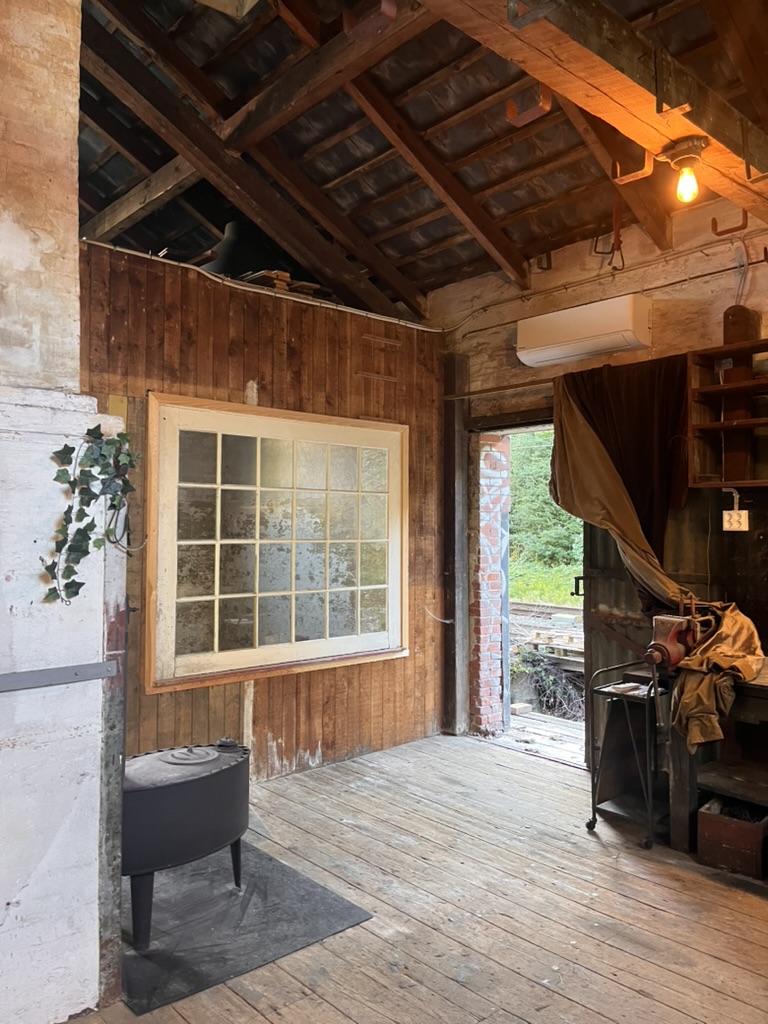
Workshop interior with aged window and warm light

Judgement

The distance between authority and responsibility

Power is rarely where it appears to be. The person with the title is not always the one making the decision — and the one making the decision is not always the one who will be held accountable.

This gap is not a failure of design. It is a feature of how organisations distribute risk while concentrating reward. Understanding it is the beginning of any serious conversation about how responsibility and decision-making actually function.

Systems

Form as active force

We tend to think of structures as neutral containers — vessels that hold activity but do not shape it.

In practice, they shape behaviour, decisions and what becomes possible. The meeting format determines the conversation. The reporting line determines the loyalty. The org chart determines whose voice is heard.

Human complexity

What clay teaches about control

Clay does not do what you want it to do. It does what it can do — given its moisture, its thickness, the pressure you apply and the speed at which you move.

Leadership is not so different. The desire for control often produces rigidity. What produces form is something closer to attention — a willingness to respond to what is actually happening, rather than what was planned.